
2022-09-19 18:38:59
Share on

Fiber for Weight Loss
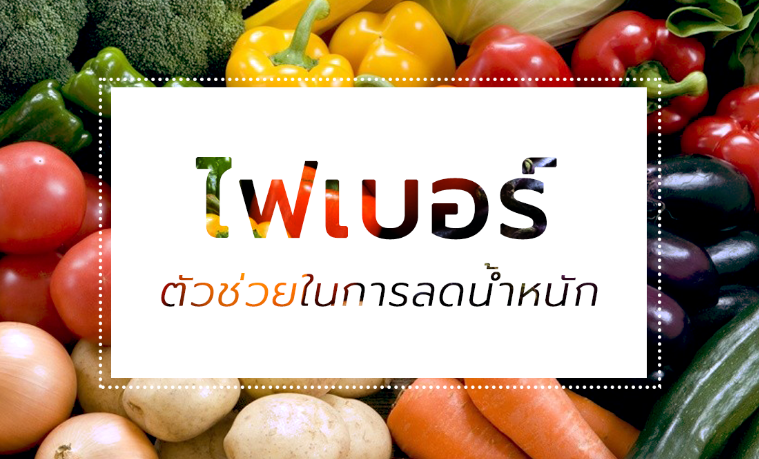
What Is Fiber? Can It Really Help with Weight Loss?

Many people who are trying to manage their weight have heard phrases like “you should eat more fiber” or “fiber helps reduce fat,” which raises the question: what is fiber, and can it really help with weight loss?

In reality, fiber is not a weight-loss drug and is not the main factor that makes weight drop instantly. However, fiber plays an important role in digestion, satiety, and controlling the energy we take in each day, so it can be a helpful supporting factor in weight management.

What Is Fiber?

Fiber, or dietary fiber, is a component found in plants such as vegetables, fruits, grains, beans, and seeds. The body cannot digest or absorb it the way it does other nutrients.

Although fiber does not provide much energy like carbohydrates or fats, it offers many health benefits — including digestion, blood sugar control, and weight management.

Fiber can be divided into two main types:

1. Soluble Fiber

When it comes into contact with water, it becomes gel- or mucus-like. Commonly found in:

  • Oats
  • Apples
  • Various beans
  • Chia seeds
  • Certain fruits

Benefits

  • Helps blood sugar rise gradually, reducing rapid spikes and drops in sugar levels.
  • Soluble fiber can bind with bile acids in the digestive tract, prompting the body to use cholesterol to produce new bile, which helps lower blood lipid levels.
  • When it absorbs water it swells in the stomach, making you feel full faster and helping reduce appetite during the day.
2. Insoluble Fiber

It does not dissolve in water but helps add bulk to stool. Commonly found in:

  • Leafy green vegetables
  • Rice bran
  • Brown rice
  • Whole grains

Benefits

  • Adds bulk to stool, helping the intestines move better and making bowel movements easier.
  • Getting adequate fiber helps reduce waste buildup in the intestines and relieves constipation.
  • Helps the digestive system work efficiently and supports overall bowel health.
How Does Fiber Help with Weight Loss?

Although fiber is not a weight-loss drug and cannot make weight drop instantly, fiber can help support weight management in several ways — especially by helping control hunger, reducing excess energy intake, and promoting the function of the digestive system.

That said, it is important to understand that weight loss comes from using more energy than you take in each day. Fiber is only a tool that makes it easier to control eating — it does not burn fat directly.

Helps You Feel Full Longer

Fiber has the ability to absorb water and swell inside the stomach, especially soluble fiber. When eaten with enough water, it increases the volume in the stomach, making you feel full faster and stay full longer.

Feeling full longer may help reduce cravings between meals and cut down on snacking habits.

Helps Control Blood Sugar Levels

Soluble fiber helps slow the absorption of sugar from food into the bloodstream, so blood sugar does not rise rapidly after eating.

More balanced blood sugar levels may help reduce frequent hunger or cravings for certain foods throughout the day.

Promotes Bowel Health

Fiber plays an important role in the digestive system, especially insoluble fiber, which adds bulk to stool and helps the intestines move better.

Getting enough fiber together with drinking an adequate amount of water helps relieve constipation and allows the digestive system to work more efficiently.

Supports Long-Term Weight Management

Good weight management does not depend on any single food alone, but comes from eating appropriately, exercising, and lifestyle habits combined.

Fiber should therefore be one component of overall health care, rather than a shortcut to losing weight.

What Are the Health Benefits of Fiber?

Besides helping with weight management, fiber also plays an important role in overall health — including the digestive system, the heart and blood vessels, and blood sugar control. Getting enough fiber each day is therefore part of good long-term health care.

Helps Lower Cholesterol

Soluble fiber can bind with bile acids and some cholesterol in the digestive tract, helping the body eliminate more of it through bowel movements. As a result, blood cholesterol — especially LDL, or “bad” cholesterol — tends to decrease when consumed appropriately and consistently.

Reduces the Risk of Heart and Vascular Disease

Having appropriate cholesterol and blood lipid levels is one factor that supports heart and vascular health. Eating a high-fiber diet together with other healthy habits, such as exercise and diet control, may help reduce risk factors associated with cardiovascular disease.

Helps the Gut Work Efficiently

Getting enough fiber helps promote balance in the digestive system and serves as food for certain beneficial gut bacteria, which helps support digestive function and overall gut health.

Supports Good Long-Term Health

Regularly eating vegetables, fruits, whole grains, and fiber-rich foods not only helps with digestion and weight management, but is also part of an eating pattern that promotes overall health and helps the body receive a wider variety of nutrients.

Easy Ways to Add More Fiber Every Day

High-fiber foods that are easy to find and familiar to Thai people include:

  • Brown rice, oats, and whole grains
  • Vegetables such as morning glory, kale, broccoli, and pumpkin
  • Fruits such as guava, banana, apple, and orange
  • Beans such as red beans, black beans, and chia seeds

Simple ways to add fiber in a single day include switching white rice for brown rice, adding vegetables to every meal, and choosing fruit as a snack instead of sweets. Just this much helps you naturally increase your fiber intake.

For those who do not get enough fiber from food, a fiber supplement such as psyllium husk may be used as well — but be sure to drink enough water, and it should not replace eating vegetables and fruits.

How Much Fiber Should You Eat Per Day?

In general, adults should get approximately:

  • Women: 25 grams/day
  • Men: 30 - 38 grams/day

The amounts above are guidelines for those aged 50 and under. For those older than 50, requirements decrease slightly (women about 21 grams/day and men about 30 grams/day).

However, you should increase the amount gradually and drink enough water, because eating too much fiber while drinking little water can cause bloating, abdominal fullness, or constipation.

Precautions When Eating Fiber
  • People with certain digestive conditions should consult a doctor first.
  • People taking certain medications should space them apart from fiber intake.
  • Fiber should not be used as a replacement for main meals.

Fiber is another helpful factor for both health and weight management, but good health care should rely on many factors combined — choosing appropriate foods, exercising, and adjusting lifestyle habits — in order to achieve good, sustainable results over the long term.

Good weight management should start with understanding your own body. If you would like to plan your health care or lose weight appropriately, you can come in for a free consultation with a doctor at Thonburi Medical Center.

References: Mayo Clinic (Dietary fiber), Academy of Nutrition and Dietetics, Cleveland Clinic


Category: article
Tags: ลดน้ำหนัก หุ่นกระชับ ไฟเบอร์
TMC LINE
TMC FACEBOOK